
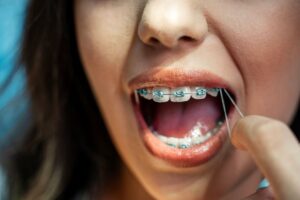
Brackets and wires are the foundational components of traditional metal braces. Together, they work to apply enough force to your teeth in order to move them. However, they are not always able to accomplish their task on their own. In some cases, they might need some help. That is why your orthodontist or dentist may direct you to wear rubber bands, which are also known as elastics. What should you know about rubber bands on braces? This blog post explains some key information.
What Is the Purpose of Rubber Bands on Braces?
While brackets and wires shift your teeth into proper alignment, rubber bands provide additional force to correct your bite. If you have issues such as overbite, underbite, or crossbite, your orthodontist may recommend rubber bands to address these concerns. They can also be used to close large gaps between teeth.
How Do the Rubber Bands Work?
Rubber bands are typically attached to small hooks on your brackets, connecting the upper and lower jaws (or, in some cases, connecting gapped teeth on the same dental arch). By stretching between specific points, they apply gentle but consistent pressure to move your teeth and adjust your bite. The direction and placement of the bands are determined by your unique orthodontic needs. Sometimes, you may need to wear them on both sides of your mouth, and other times just on one side.
Rubber bands come in different sizes and strengths, and the specific type of rubber bands that you need will depend on the details of your case.
The amount of time you will need to wear rubber bands varies, but following your orthodontist’s directions will help your treatment progress smoothly.
Tips for Success with Your Rubber Bands
While rubber bands on your braces might seem like something of an inconvenience, remember that they can play a key role in your treatment’s success! Here are some tips for making the most of your experience with them:
- Follow your orthodontist’s or dentist’s instructions about when and how to wear your rubber bands.
- Replace your rubber bands as often as recommended to keep them fresh and effective.
- Remove your rubber bands only when eating or brushing your teeth, unless otherwise advised.
- Keep extra rubber bands with you so you can replace them if one breaks or gets lost.
- If you have trouble placing your rubber bands with just your fingers, try using a small plastic hook (your care team may provide one) or some sterile tweezers.
- Remember that, just like the other components of your braces, rubber bands might cause some discomfort. Over-the-counter pain medications, cold therapy, and a soft diet can help manage this issue.
- Contact your orthodontist if you experience persistent or severe pain or if a band keeps snapping.
Rubber bands can play a huge role in the ultimate success of your orthodontic treatment! If you have questions about them, do not hesitate to ask your care team.
Meet the Practice
At Gillis Dental Professionals in Needham, we are committed to providing a broad range of dental services for our community, including traditional metal braces. We always strive to offer care that is friendly, efficient, and high-quality. If you have questions about braces or orthodontic rubber bands, we would be happy to speak with you. Contact our office at 781-202-6357.