
Traditional Braces – Needham, MA
A Time-Tested Treatment for Straighter Teeth

There are many orthodontic treatments on the market today, but that does not mean traditional braces have fallen into obsolescence. In fact, this time-tested treatment is still one of the most popular ways that patients choose to achieve straighter teeth. If you are interested in addressing your dental misalignment and striving for a healthier smile, the team at Gillis Dental in Needham is ready to serve you. Contact our friendly staff to learn more or to request a consultation.
Why Choose Gillis Dental for Traditional Braces?
- Top-Quality Treatment from a Highly Trained Team
- Time-Tested Treatment Methods
- Multiple Payment Options for Your Convenience
How Do Traditional Braces Work?
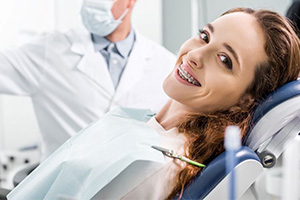
Without treatment for orthodontic issues, you may find that you lack self-confidence, that you are at a greater risk of oral health problems, and that you face a number of daily inconveniences. Braces may be able to help you by straightening your teeth via a bracket-and-wire system. Brackets get attached to the teeth, and a wire connects them. As the braces are periodically adjusted by our team, your teeth will gradually shift into their correct positions. Treatment with braces takes, on average, anywhere from 12 to 36 months.
What Orthodontic Issues Can Braces Fix?

Braces can address almost any orthodontic issue, from mild cosmetic misalignment to severe problems that pose a serious threat to a patient’s oral health. During your consultation, we will examine your mouth to make sure that braces are right for you. Here are a few examples of orthodontic issues that this treatment is often able to fix:
Bite Misalignment
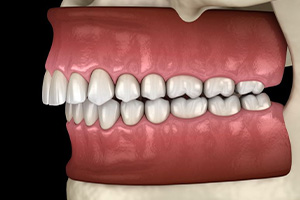
Overbite, underbite, crossbite, and other types of malocclusions can affect your facial profile and increase your risk of TMJ dysfunction (TMD). Braces, often with the help of specialized accessories, can help your upper and lower teeth to work harmoniously together.
Crowded & Crooked Teeth
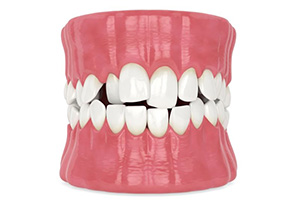
Crowded, crooked, and overlapping teeth may trap food between them and increase your risk of cavities and gum disease. They can also be unsightly. Braces may be able to shift your teeth so that each one has the space it needs to function optimally. In some cases, one or more extractions are also necessary.
Gapped Teeth
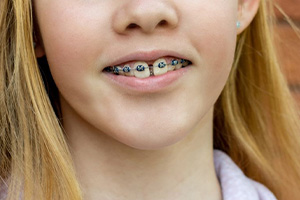
Gaps between the teeth can seem cute, but they can actually be a detriment to your oral health. For example, they can leave your gums exposed to harm. Braces are often able to bring teeth closer together in order to optimize oral function and minimize risks.
Caring for Your Braces
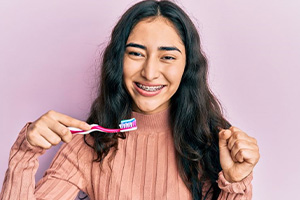
To keep your braces in great shape, you should:
- Be diligent about oral hygiene. You may need to use an interdental brush or floss threader to clean between your teeth. Regular brushing is also of paramount importance.
- Observe dietary restrictions. Some foods, such as those that are hard or sticky, should be avoided while you are wearing braces.
- Wear a mouthguard. If you play sports, you should have a mouthguard that is specifically designed for use with braces.
- Attend all recommended appointments. Skipping appointments with our team could slow down your treatment and contribute to problems with your braces.
Understanding the Cost of Traditional Braces
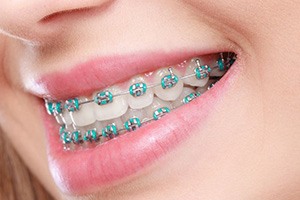
Very often, traditional braces are one of the most affordable orthodontic options. However, their cost can vary depending on numerous factors. During your consultation, our team can provide an estimate that is tailored to your unique situation. We will also be happy to discuss payment options, such as insurance, financing, and our in-house discount plan.
Factors That Affect the Cost of Traditional Braces
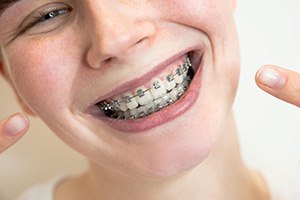
Some factors that may influence the cost of your braces include:
- The severity of your dental misalignment. This will affect how long you need to wear braces, whether you require any special accessories, and how many appointments you need. Logically, such factors can lead to increased costs.
- Your age. The teeth of mature adults tend to move more slowly than those of younger people. This might equate to a slight increase in cost.
- Your compliance with treatment guidelines. Mishaps with your treatment — for example, if you do not wear rubber bands as instructed — it could lead to additional fees.
Professional Braces vs. “DIY” Braces: Which Costs More?

If you like to explore social media, you might have come across some so-called "hacks” for DIY braces. These ideas often use common items, such as superglue and rubber bands, to create braces. While such notions might seem appealing due to their low cost, extreme caution is in order.
Many people have accidentally worsened their dental alignment or seriously damaged their oral tissues in their efforts to save money. Ultimately, they end up paying more to correct issues that they unintentionally caused.
Often, it is more affordable and much better for your oral health to invest in professional care right from the beginning of your orthodontic journey.
Does Dental Insurance Cover Braces?
Here are some key points to keep in mind about dental insurance and braces:
- Braces and other types of orthodontia are usually only covered on premium plans.
- Coverage for minors is more common than coverage for adults.
- If your insurance applies to braces, it might cover up to 50% of the cost, up to the amount of your plan’s lifetime orthodontic maximum.
Our practice welcomes insurance, and we will be happy to help you figure out how your benefits apply. Many patients are able to reduce their out-of-pocket costs by hundreds of dollars with the help of their plan.
Options for Making Braces Affordable

Outside of dental insurance, other provisions that might make it easier to afford braces include:
- We work with both CareCredit and Sunbit to provide low-interest payment plans for qualified patients.
- Essential Dental plan. This discount plan provides reduced fees on most of the services in our office. After signing up, you can start to use your benefits right away.
Are you curious about the cost of traditional braces? Schedule a consultation with our skilled team today! We look forward to answering your questions.
Traditional Braces FAQs
Am I Too Old to Get Braces?
Our Needham team can provide braces for patients of virtually all ages, including mature adults. In fact, there is no upper age limit for orthodontic treatment!
However, your teeth may move a bit more slowly than those of younger people, so your overall treatment timeline may be slightly longer. Other than that, though, your experience should be pretty straightforward. You might also have to pay a bit more due to limited orthodontic insurance coverage for adults.
What Happens After You Get Your Braces Off?
After you complete your braces treatment, your focus should shift to maintaining your results. As your braces dentist in Needham, our team will provide you with a custom retainer that will prevent your teeth from moving out of their new positions.
At first, you should wear the retainer at least 20 – 22 hours a day. After a few months, you may need to wear it only at night. Later on, it may be possible for you to wear it just a few nights each week.
Do Traditional Braces Hurt?
Any orthodontic treatment can cause some soreness. When you first get your braces, or you get them adjusted, you may notice some tenderness and tightness in your mouth. This sensation usually lasts just a few days. In the meantime, a soft diet and over-the-counter pain relievers can reduce any discomfort.
In some cases, your brackets or wires might cause irritation. Try covering them with orthodontic wax to place a protective barrier that will shield your soft oral tissues. If a wire starts to poke out or you experience persistent problems, contact our team for assistance.
What Can You Not Eat with Traditional Braces?
When your braces are first placed on your teeth, and when you get them adjusted, you should eat a soft diet for a few days. This reduces discomfort and sensitivity. Foods like yogurt, soup, pasta, and mashed potatoes are good choices.
After the soreness goes away, you can expand your dietary choices. However, you should continue to avoid things that could damage your braces, including:
- Popcorn
- Nuts
- Hard breads
- Chips
- Gummy candies
- Other foods that are very hard, crunchy, or chewy
Why Do My Teeth Feel Loose with Braces?
It is very normal for your teeth to feel a little loose when you have braces. That is actually a sign that your treatment is working! It happens because the ligaments holding your teeth in place stretch a little, and the bone around them is remodeling to allow them to move. Therefore, until your smile is solidified in its new place, a slight feeling of looseness is to be expected.
If a tooth ever feels very loose, that could indicate a problem. Call us right away so we can evaluate the situation and provide necessary assistance.